
The most beautiful beaches in Catalonia (and the words to enjoy them)
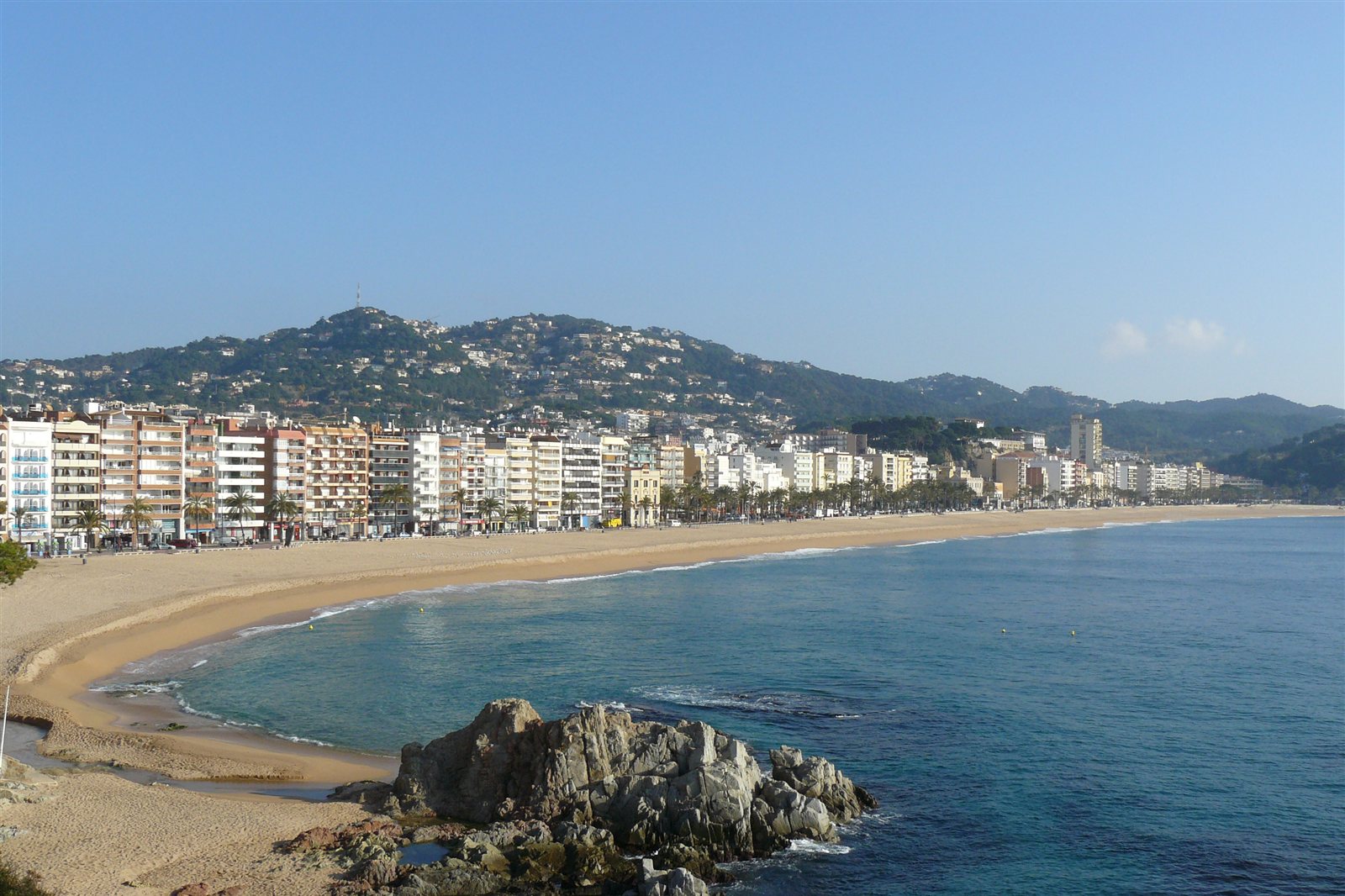
Catalonia has nearly 600 kilometres of coastline, and almost as many ways to spend a day at the beach. From little coves hidden among the pines to long stretches of fine sand, here are the ones we love, from north to south. And since this is micamica, every stop comes with a few words of Catalan.
Costa Brava: the coves
In the north, between the French border and Blanes, the coast is rugged, rocky and covered in pine trees. People don’t talk about platges here so much as cales: coves.
- Cala Aiguablava (Begur): water of an almost unreal blue, pale rocks, a small sheltered beach. The Costa Brava at its most iconic.
- Calella de Palafrugell: white houses with arches, fishing boats pulled up on the sand. In July, people gather to hear havaneres, old sailors’ songs.
- Platja de Castell (Palamós): a large beach that has stayed wild, with no buildings, surrounded by forest. In 1994 the people of Palamós voted to protect it. We thank them every time we go.
- Cala Montgó (L’Escala): a horseshoe-shaped bay, ideal for families and for a quiet swim.
The coastal path, the camí de ronda, links many of these coves. Bring good shoes: it’s the finest walk on the coast.
Maresme and Barcelona: the beach in town
Between Blanes and Barcelona, the train runs along the sea for dozens of kilometres. Hop off wherever you like. Sant Pol de Mar, with its little beaches below the village, is a lovely surprise.
In Barcelona, Barceloneta is the best known, but locals often prefer Bogatell or Nova Icària, a little further along and quieter. A swim after work, right in the city: that’s Barcelona life too.
Costa Daurada: the golden beaches
South of Barcelona, the sand becomes fine and golden, hence the name “golden coast”.
- Sitges: around ten beaches below the old town, the church and the promenade. Sant Sebastià beach is the most charming.
- Platja Llarga (Tarragona): as the name says (llarga means long), it’s huge. Right next to it, Cala Fonda, reached on foot through the pine woods, is a small natural gem.
- Platja del Miracle (Tarragona): the town beach, below the Roman amphitheatre. Swimming in front of 2,000 years of history is not something you can do everywhere.
Terres de l’Ebre: the wild beaches
In the far south, the Ebre delta has beaches like nowhere else in Catalonia: vast, flat, almost deserted.
- Platja del Trabucador: a long tongue of sand between the sea and the bay, with water on both sides. You can spot flamingos.
- L’Ametlla de Mar: dozens of small coves along the coastal path, and a fishing port where you’ll eat the best fish around.
Words for a day at the beach
| Catalan | English |
|---|---|
| la platja | the beach |
| la cala | the cove |
| la sorra | the sand |
| la tovallola | the beach towel |
| el para-sol | the sunshade |
| la crema solar | sun cream |
| banyar-se | to have a swim |
| l’aigua és freda / bona | the water is cold / nice |
| el socorrista | the lifeguard |
| la bandera vermella | the red flag |
And the question to ask as you arrive: Que està bé, l’aigua? (“Is the water nice?”). The answer will nearly always be Boníssima!… even when that’s not quite true.
One last tip
In July and August, the most famous beaches are packed. Go early in the morning, or visit in June or September: the water is still warm, the light is softer, and you’ll have the cove to yourself.
Bon estiu i bon bany! Have a lovely summer and a good swim!
Photo: Lloret de Mar beach, by Xavigivax (CC BY-SA 3.0, Wikimedia Commons).