
Why I created micamica
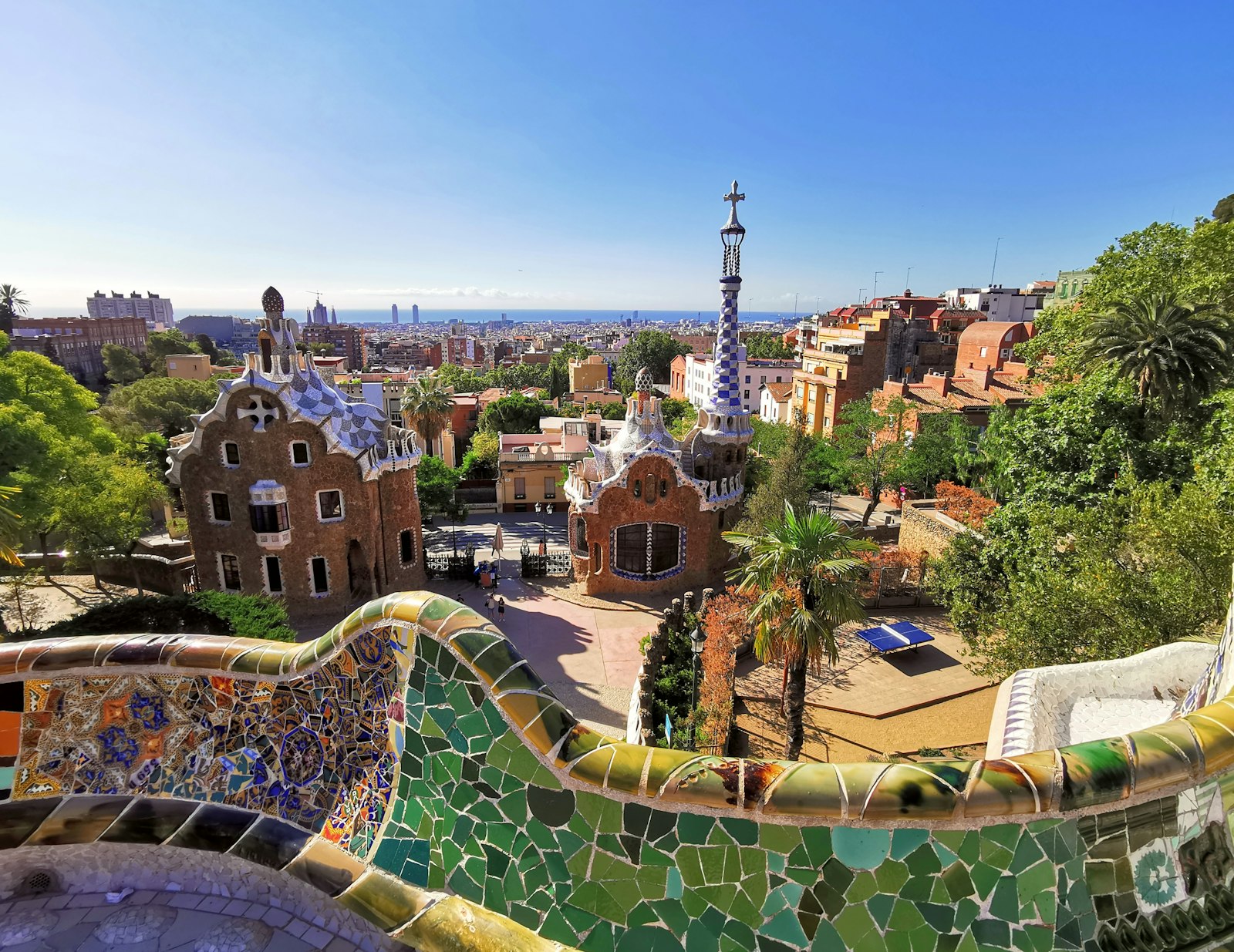
Some ideas take a long time to ripen. This one has been with me for years: a website entirely devoted to the Catalan language, for French and English speakers who would like to discover it. Here it is. It’s called micamica, and I’d like to tell you why it exists.
A language you hear before you understand it
My first memory goes back to 2005. I’m driving across the border, heading south, and a few kilometres further on, my car stops. Just like that, without warning, for a reason that is still a mystery. There I am, stranded in Catalonia at the side of the road, listening to a language I didn’t know. Looking back, I don’t think it was a breakdown: it was fate telling me to stop right here.
Arrive in Catalonia with a bit of Spanish and you’re in for a small surprise: the signs, the menus, the chatter in the café aren’t quite in the language you expected. You recognise some words, guess others, sense a family likeness with French, Spanish, Italian… and yet it’s something else. Catalan is a language in its own right, with its own history, literature, songs and sense of humour.
That feeling of hearing a language that is both familiar and unknown is what made me want to go further.
A language that held its ground
Catalan is over a thousand years old. Like French, it grew out of Latin, and in the Middle Ages it was a major language of culture.
It has also been through very hard times. Under the Franco dictatorship it was pushed out of public life: banned from schools and government offices, and absent from the newspapers for a long time. It survived at home, in books published against the odds, in the songs of the Nova Cançó movement. When it got its place back, it returned to schools, to the radio, to television and to the stage.
Today nearly ten million people understand it, in Catalonia, the Valencia region, the Balearic Islands, Andorra (where it is the only official language), the French Pyrénées-Orientales and even L’Alguer, in Sardinia. That’s roughly the population of Portugal.
And yet nothing can be taken for granted. In some cities you hear it less in the street than you used to. A language lives as long as people speak it, and every new learner counts, even with just a few words. I don’t think it has to be a fight. I think it needs to be made appealing, and given open doors.
Why a site in French and English
There are very good resources for learning Catalan, but most of them are for people who already speak it or live in the region. For a French traveller planning a trip to Girona, for a British woman who has just moved to Sitges, for an Erasmus student in Barcelona, a simple, cheerful, no-stress way in is often missing.
That’s what I want micamica to be:
- short posts you can read in five minutes: an expression, a grammar point, a festival, a story;
- a word and an expression every day, to stay in touch without effort;
- the phrases that open doors: saying hello, thank you, ordering, asking the way;
- and soon an app, to learn city by city, from Barcelona to Perpignan, by way of Girona, Tarragona, Lleida, Vic and Sitges.
English speakers have an advantage too: plenty of Catalan words ring a bell. Finestra (window, think “fenestration”), llibre (book, think “library”)… you can often guess more than you’d expect. All it takes is to start.
Mica a mica
The name comes from a Catalan proverb I’m very fond of: Mica a mica s’omple la pica, “little by little, the basin fills up”. That’s the whole spirit of micamica: no pressure, no race, a little every day, at your own pace.
As for our mascot, it’s a donkey. Not just any donkey: the ruc català, the Catalan donkey, a sturdy and endearing local breed, now endangered, which has become an affectionate symbol of the region. Stubborn, patient, loyal: ideal qualities for learning a language.
What’s next?
Since that breakdown in 2005, I’ve come a long way with languages: Spanish with telemartin.tv, English with English for Frogs. Catalan was missing, the very language that stopped me at the side of the road. Now it has its own home, and I’m delighted to share it with you.
If you’re reading this, you’ve already taken the first step. Come back tomorrow for the word of the day, browse the posts, and say bon dia at the first opportunity. You’ll see the smile it brings.
Fins aviat! See you soon!
Martin